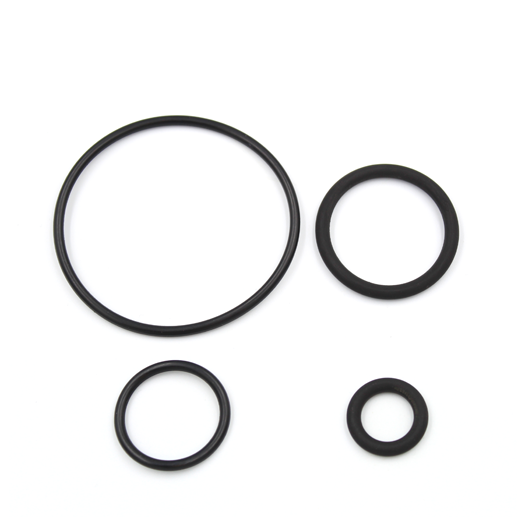
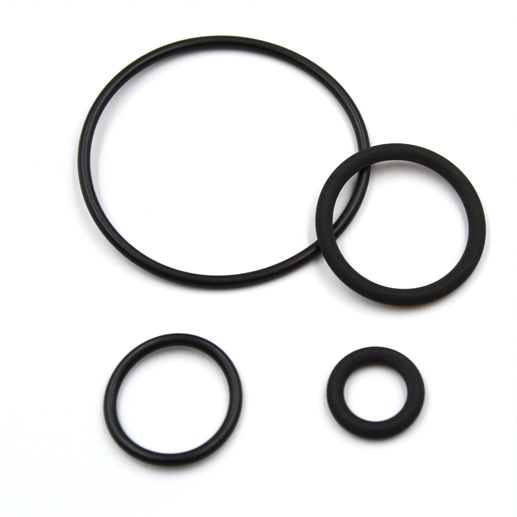
O rings – Built for the Trade
O rings are critical sealing components used in pumps, valves, gearboxes and hundreds of other places — preventing leaks, contamination, or pressure loss. And when they fail? Production stops, oil spills, and someone gets shouted at.
That’s why knowing your O ring spec matters. From material type to temperature rating, these tiny components play a massive role. At the trade desk, your customer isn’t just buying a rubber ring. They’re buying uptime.
At Godiva Bearings, we stock a wide range of O rings for industrial use. We’re 100% trade-only, with 24/7/365 support, global shipping, and 65,000+ stocked lines. So when your customer needs it yesterday, we’ve probably got it.
What Are O rings?
O rings are circular elastomer seals used to block the passage of liquids or gases. They sit in a groove and compress between two surfaces to create a tight seal.
You’ll find them in:
- Pneumatic systems
- Hydraulic cylinders
- Pumps and pipework
- Valves, flanges, and housings
Godiva stocks:
- Nitrile (NBR) O rings
- Viton® (FKM) high-temp options
- EPDM for chemical resistance
- Silicone for hygiene-sensitive applications
Whether it’s black rubber basics or FDA-approved materials, we’ve got the trade covered.
What Are They Made Of?
O rings are defined by what they’re made from. Here’s a quick breakdown:
- Nitrile (NBR) – General purpose. Handles oils, fuels, and mild chemicals.
- Viton (FKM) – High temperature and aggressive chemicals. Great for automotive and aerospace.
- EPDM – Excellent for steam, water, and polar chemicals. Often used in food, pharma and water treatment.
- Silicone – Very flexible. Excellent for food, beverage, and medical uses. Good at both hot and cold extremes.
Picking the wrong compound means swelling, splitting, or just flat-out failure.
Where Are O rings Used?
Practically everywhere — but especially:
- Hydraulic and pneumatic systems
- Food and beverage equipment
- Chemical processing
- Agricultural machinery
- Water pumps and treatment plants
They might be small, but when they fail, it’s noticeable. Think oil leaks, pressure drops, and product contamination. Not ideal.
What Do O-rings Help Prevent?
When specced correctly, O rings help avoid:
- Seal failure in pressurised systems
- Grease or fluid leaks from housings
- Ingress of contaminants in clean zones
- Downtime caused by incorrect material use
- Heat hardening or cracking in high-temp zones
Each one of those problems costs time, money, and reputation.
Installation, Use and Maintenance Tips
O rings are easy to overlook — until they aren’t.
Here’s what to keep in mind:
- Always match the O-ring material to the application.
- Avoid using sharp tools to install them — it’s easy to nick the seal.
- Lightly lubricate before fitting.
- Don’t stretch them out of shape.
- Store in cool, dark places to avoid degradation.
One more tip: never reuse an old O-ring. It’s not worth it.
Conclusion: Get the Right O ring, First Time
It’s just a rubber ring — until it’s not. Whether your customer’s fixing a digger or maintaining a food-grade pump, the wrong spec means problems.
At Godiva Bearings, we stock trade-trusted O rings in all major materials. We offer 24/7/365 technical support, same-day dispatch, and global shipping — all trade-only, always.